tabula externa Chapter 10 Types of Cranial Injuries in the Hippocratic Wounds in the Head in Light of the Ancient Commentary Tradition in: Hippocratic Commentaries in the Greek, Latin, Syriac and Arabic Traditions Hematoma
EUR27.14 EUR64.14
SKU 45504229206 · ★ 4.5
Pay in 4 interest-free payments of $6.79 Learn more
Shipping Estimate
USA
- USA
- CAN
- USA
- CAN
Ships within 48 hours · Estimated delivery Oct 26 - Oct 31
Description
tabula externa Chapter 10 Types of Cranial Injuries in the Hippocratic Wounds in the Head in Light of the Ancient Commentary Tradition in: Hippocratic Commentaries in the Greek, Latin, Syriac and Arabic Traditions Hematoma
Windlicht Kelch aus Glas Grün 3er Set (B/H/T) 13x13x40cm | 10048988 | Wurm
€ 20,00 € 15,00 Endlich Ordnung & Stil für Deine Beauty-Schätze Kennst Du das Gefühl, wenn Dein Schminktisch
together-play
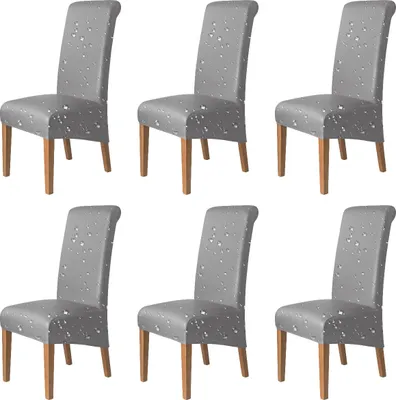
Color:Concrete grey
Besonders filigrane Elemente können mit Drähten oder Nägeln fixiert werden
Exchange/Return Notes
- We offer a 30-day return/exchange service after receiving.
- Final sale items are not eligible for returns or exchanges.
- To process your return/exchange, please contact us at [email protected]
- Please click here for more details>>> Return & Exchange Policy
Frequently Asked Questions for tabula externa Chapter 10 Types of Cranial Injuries in the Hippocratic Wounds in the Head in Light of the Ancient Commentary Tradition in: Hippocratic Commentaries in the Greek, Latin, Syriac and Arabic Traditions Hematoma
What should I compare between guest checkout and using an account?
Check which checkout choices the seller actually offers. Check whether saved selections or details would be useful for repeat purchases.
How can I check how and when my purchase will be provided?
Do not assume that every product uses the same fulfillment process. Plan around the actual method, required steps, and current information supplied for your order.
What should I do if I am waiting for a seller's response?
Look for an acknowledgment that distinguishes receipt from a completed answer. Distinguish a delayed response from a confirmed refusal to help.